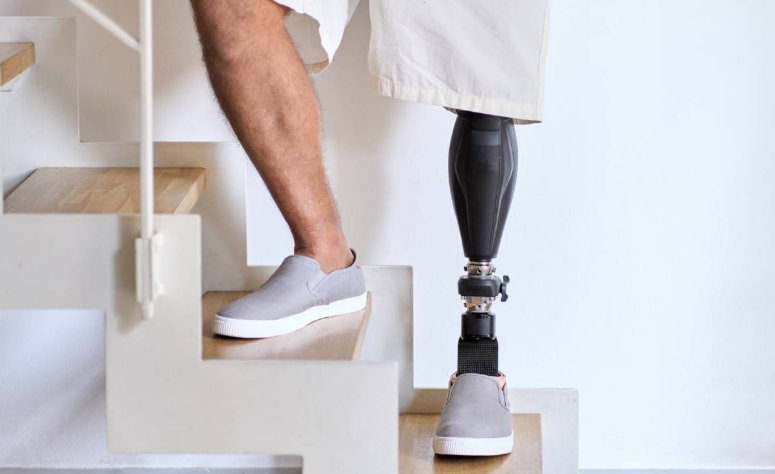
Losing a leg due to injury, illness, or congenital conditions can profoundly impact an individual’s mobility and quality of life. However, advancements in prosthetic technology have transformed what was once a significant limitation into a manageable challenge. A prosthetic leg is not merely a replacement for a lost limb; it is a vital tool that can restore independence, improve mobility, and significantly enhance daily living for amputees.
Understanding the Role of a Prosthetic Leg
A prosthetic leg serves as an artificial limb designed to replicate the form and function of a natural leg. Modern prosthetics incorporate advanced materials, biomechanics, and customized fitting to offer users enhanced comfort and usability. Unlike earlier versions, today’s prosthetic legs are lightweight, durable, and capable of supporting various activities, from walking to running.
The primary objective of fitting a Prosthetic Leg is to enable the wearer to regain as much normal function as possible. This includes standing, walking, climbing stairs, and maintaining balance. Through physical therapy and proper rehabilitation, individuals can learn to adapt to their prosthetic limb and regain confidence in their mobility.
Restoring Mobility Through Advanced Prosthetic Technology
Mobility restoration is the most immediate and critical benefit of a prosthetic leg. Technological innovations have brought about several types of prosthetic legs, including mechanical, microprocessor-controlled, and hydraulic models. Each type offers different levels of functionality tailored to the user’s lifestyle, activity level, and specific needs.
Microprocessor-controlled prosthetic legs, for example, use sensors and computerized components to adjust the knee and ankle movements in real-time. This technology allows for smoother walking patterns, increased stability, and reduced risk of falls. For active users, sports-specific prosthetic legs provide enhanced shock absorption and flexibility, enabling participation in activities like running or cycling.
Such advancements not only help individuals move with greater ease but also reduce the energy expenditure often associated with walking on a prosthetic limb. This improvement in efficiency translates to less fatigue and greater endurance in daily activities.
Enhancing Daily Life and Independence
Beyond mobility, a prosthetic leg plays a crucial role in improving the overall quality of life. The psychological benefits of regaining the ability to walk, stand, and move independently cannot be overstated. Many amputees experience improved self-esteem and mental well-being as they regain control over their daily routines.
With a well-fitted prosthetic leg, tasks such as grocery shopping, commuting, or participating in social events become more accessible. This restoration of autonomy encourages greater social interaction and engagement in community activities. Moreover, a prosthetic leg helps reduce the reliance on caregivers and mobility aids, fostering a stronger sense of personal freedom.
The Importance of Customization and Professional Support
Successful prosthetic rehabilitation depends heavily on the customization of the prosthetic leg to the individual’s unique anatomy and lifestyle. Each amputee’s residual limb shape, skin condition, and strength differ, requiring a personalized fitting process. Prosthetists work closely with patients to design and adjust the prosthetic leg to ensure comfort, functionality, and durability.
In addition to fitting, ongoing support from healthcare professionals, including physical therapists and occupational therapists, is essential. These specialists guide users through rehabilitation exercises that improve gait, balance, and strength. Continuous adjustments and maintenance of the prosthetic leg also ensure optimal performance and prevent complications such as skin irritation or improper alignment.
Looking Ahead: Future Innovations in Prosthetics
The field of prosthetics continues to evolve rapidly. Emerging technologies such as neural-controlled prosthetic legs, which respond to brain signals, and advanced materials mimicking natural muscle function promise even greater improvements in mobility and quality of life. As research progresses, the gap between artificial limbs and natural movement narrows, offering hope for even more effective solutions for amputees.
Conclusion
A prosthetic leg is a transformative device that offers more than just physical replacement; it restores mobility, independence, and confidence. Through technological advancements and personalized care, individuals who have lost a leg can reclaim their ability to lead active, fulfilling lives. Embracing the potential of prosthetic technology enables amputees to overcome challenges and improve their daily living in meaningful ways.